Wickedly Sharp
Hand Sharpened Knives and Tools
Care and Handling
Caution!
Be aware that your knife, now that it is wickedly sharp, will require less effort to use. Please be mindful of this when you use your knife the first few times. I liken it to driving a little 4 cylinder car through quicksand and then driving a V12 Ferrari. A very different experience that may take some getting used to. Don’t forget to tell everyone in the household that the knives are now Wickedly Sharp!
Sharpening Frequency
It is recommended that you have your knives sharpened every 6 months or so. This is dependant on their frequency of use, the items cut, the cutting surface items are cut on and how your knives are cared for, handled and stored. If you own a steel, honing your knife about once a month can help maintain the edge for longer.A sharp knife is an absolute pleasure to use. It takes less time and effort to cut the item and therefore is less fatiguing. By having yourknivessharpened at regular intervals, the cost is also kept down because the knives are dull, not blunt and damaged and just require a ‘touch up’ to become Wickedly Sharp again.
Cutting Boards
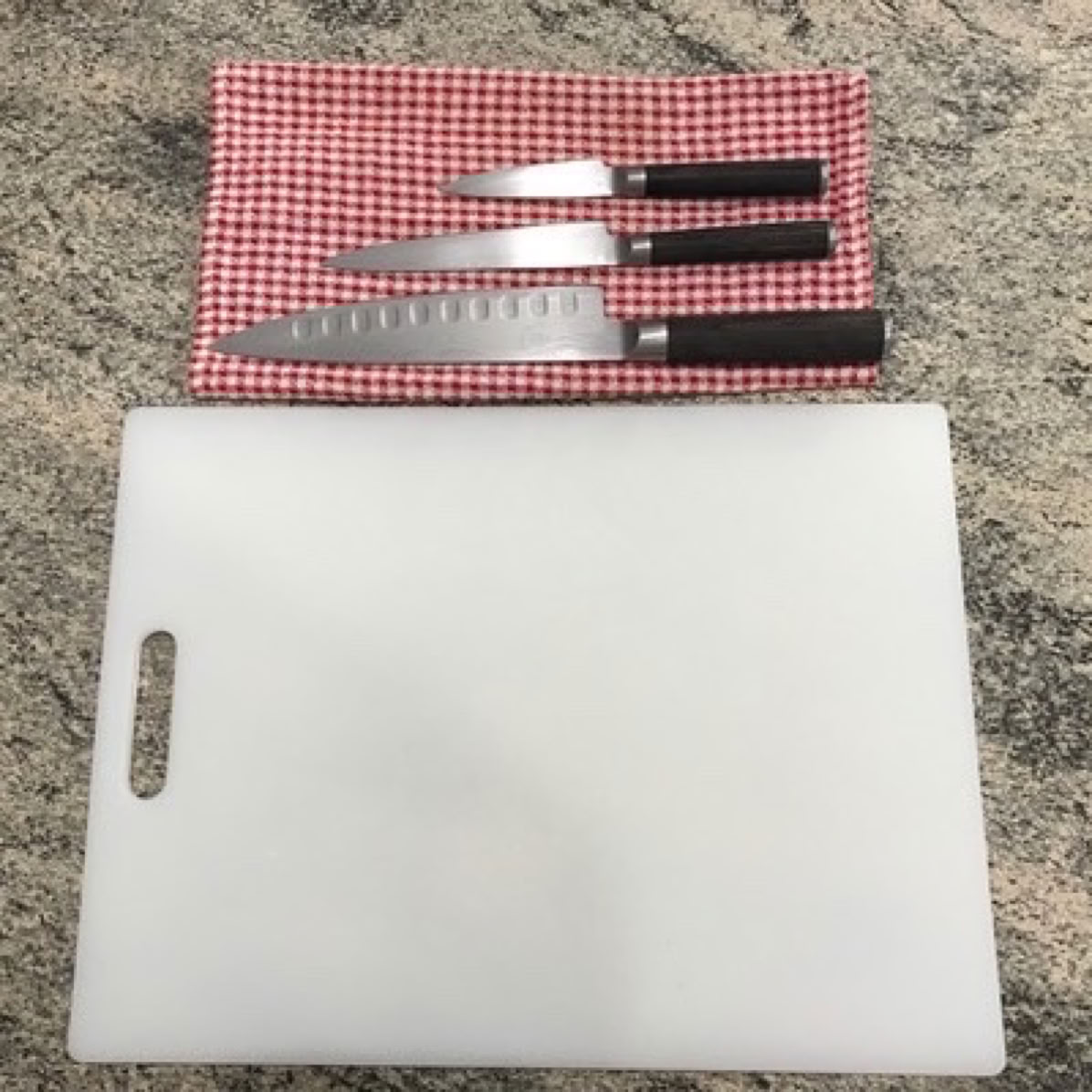
Ideally you should use your knifeonly ona designated cutting surface. Using a glass cutting board or other hard surface will only dull your knife morequickly or may damage the edge. The best cutting boards are those that provide a good cutting surface, are easily cleaned and don’t dull your knife after a small number of uses. Wooden and plastic cutting boards each have their own advantages and disadvantages. Most commercial kitchens (Chefs) use good quality plastic boards (yes, not all plastic baords are greated equal).
Placement when in use
Please keep your knife away from children and always place in the middle of the bench, edge away from you, when you put the knife down. Do not drop them or throw them down onto the bench.
Storage
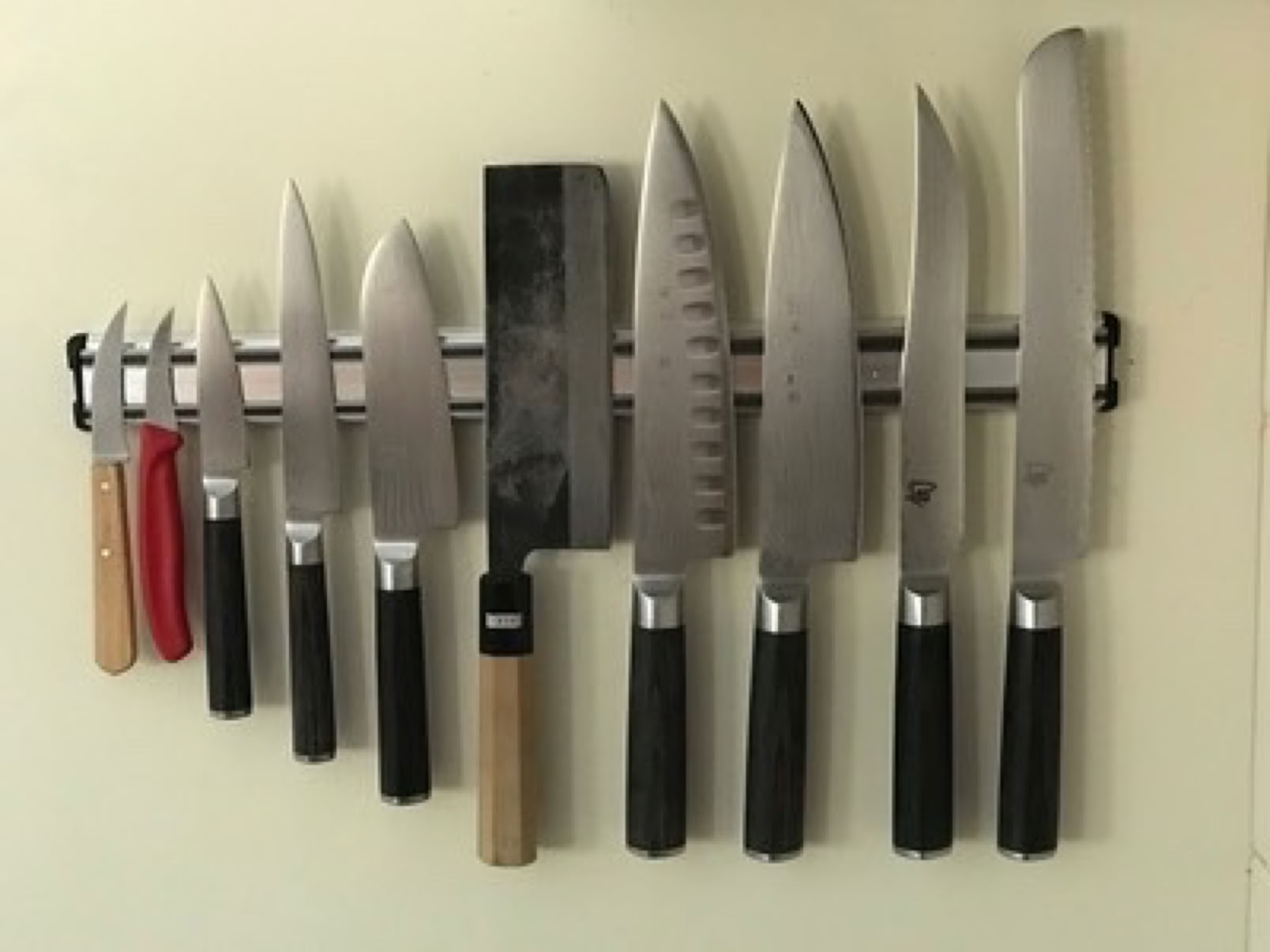
It is recommended that your knife is stored either in a knife block where the knife will rest on its side (not edge down) or use a magnetic knife rack. Storing your knife in a drawer will impact on the sharpness of the knife and may damage the edge. Also, you may cut yourself reaching into the drawer for items other than the knife. Again your knives should be stored out of the reach of children.